suspended ducting is a modern solution for housing various mechanical systems within buildings. Ductwork is commonly used in heating, ventilation, and air conditioning (HVAC) systems to transport air throughout a building. suspended ducting involves hanging the ductwork from the ceiling, rather than installing it within walls or floors. This innovative approach offers a range of advantages and applications that make it an attractive option for commercial and industrial buildings.
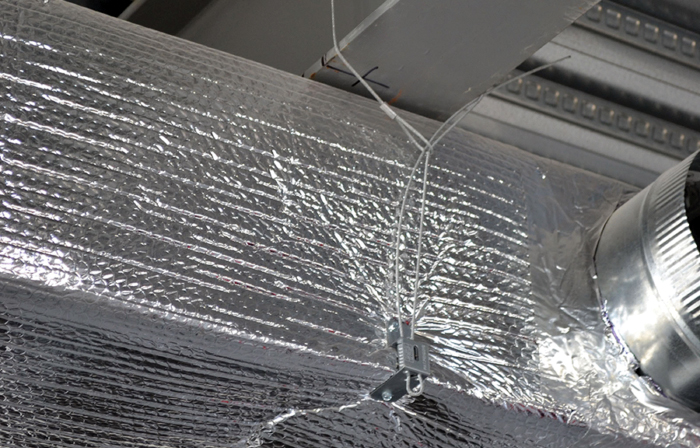
One of the primary advantages of suspended ducting is the flexibility it provides in terms of building design. By hanging the ductwork from the ceiling, architects and engineers have more freedom to design spaces without being limited by the constraints of traditional HVAC installations. This can lead to more open and aesthetically pleasing environments for building occupants. Additionally, suspended ducting can be easily reconfigured or relocated as needed, making it a versatile option for buildings with changing needs.
Another benefit of suspended ducting is its ease of installation and maintenance. Because the ductwork is accessible from below, technicians can easily inspect, clean, and repair the system without disrupting the building’s occupants. This can result in lower maintenance costs and less downtime for businesses that rely on HVAC systems to operate effectively. In addition, the modular nature of suspended ducting allows for quick and efficient installation, reducing labor costs and minimizing disruptions during construction or renovations.
suspended ducting is also a cost-effective option for buildings with limited space or complex layouts. By utilizing the vertical space above a room, ductwork can be installed without taking up valuable floor space. This can be especially beneficial in buildings with high ceilings, where traditional ductwork may not fit or may require extensive modifications to accommodate. Suspended ducting can also be used to create zoning within a building, allowing for more precise control over temperature and air quality in different areas.
In addition to its practical advantages, suspended ducting can also improve the indoor air quality and comfort of a building. By hanging the ductwork from the ceiling, air can be distributed more evenly and efficiently throughout the space. This can help to prevent hot and cold spots, reduce allergens and pollutants in the air, and maintain consistent temperatures throughout the building. Improved air quality can have a positive impact on the health and productivity of building occupants, making suspended ducting a worthwhile investment for businesses and organizations.
There are a variety of applications for suspended ducting in different types of buildings. In commercial spaces such as offices, retail stores, and restaurants, suspended ducting can provide efficient and effective HVAC solutions without sacrificing valuable floor space. In industrial settings such as warehouses, manufacturing facilities, and distribution centers, suspended ducting can be used to cool or ventilate large open areas where traditional ductwork may not be feasible. Suspended ducting can also be installed in residential buildings, schools, hospitals, and other institutions where space constraints or design considerations make it a practical choice.
Overall, suspended ducting offers a range of benefits and applications that make it a viable option for modern building projects. From its flexibility and ease of installation to its cost-effectiveness and impact on indoor air quality, suspended ducting provides a comprehensive solution for HVAC needs in a variety of settings. By taking advantage of the vertical space above a room, architects and engineers can create more efficient, comfortable, and visually appealing buildings that meet the needs of their occupants. With the growing demand for sustainable and innovative building solutions, suspended ducting is sure to play a key role in the future of HVAC systems.
In conclusion, suspended ducting is a versatile and practical option for housing mechanical systems within buildings. By hanging ductwork from the ceiling, architects and engineers can create more flexible, efficient, and aesthetically pleasing environments for building occupants. With its ease of installation and maintenance, cost-effectiveness, and positive impact on indoor air quality, suspended ducting is a valuable solution for a wide range of commercial, industrial, and residential buildings. As the demand for sustainable and innovative building solutions continues to grow, suspended ducting will undoubtedly remain a popular choice for modern construction projects.